
Viticulture in Ferrara: From Fortana to DOC
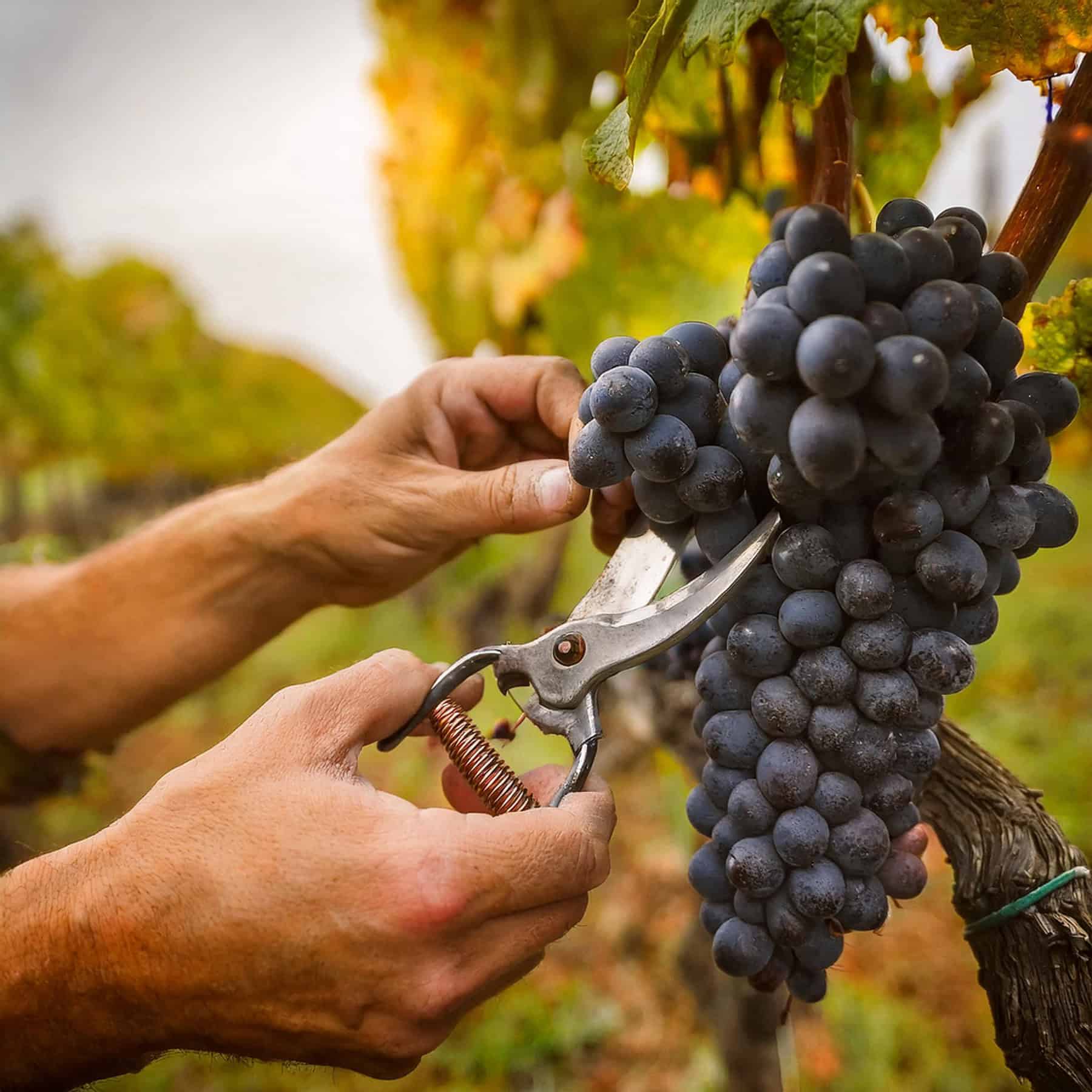
Viticulture in the Ferrara area dates back to the Etruscans of the ancient city of Spina (between the 6th and 3rd centuries B.C.), who cultivated a grape variety similar to today’s Fortana. A new impetus then came from the Benedictine monks, who, between the 10th and 11th centuries, reclaimed the land around the Abbey of Pomposa and Classe. Further development occurred under the Este court when, according to legend, vine cuttings of “golden grapes” from the Côte d’Or—part of the dowry of Renata of France, wife of Ercole II—once planted, adapted perfectly to the sandy, brackish soils of the Delta’s coastal strips, where the holm oak forests, known as the Bosco Eliceo, stretched out. This unique environment, where the vines were grown ungrafted, ensured that Fortana emerged unscathed from the European phylloxera epidemic. Cultivation in the sandy soils near the Delta imparts a distinctly characteristic savory flavor to the wines.
La variante dei vitigni si è poi ampliata a Trebbiano, Malvasia, Merlot e Sauvignon e nel 1989 è stata riconosciuta la DOC Bosco Eliceo che tutela quattro tipologie: Fortana, Merlot, Savignon e Bianco del Bosco.
